Table of contents
What is Fruit Processing?
Fruit processing describes all technical steps that transform fresh fruit into stable, safe and usable ingredients or products. The goals are simple:
- Extend shelf life
- Ensure food safety
- Preserve taste, color and nutrients
- Create convenient formats for further use

Fresh fruit continues to respire after harvest. Enzymes cause browning and changes. Microorganisms such as yeasts, molds and bacteria can grow. Processing fruit slows or stops these processes. It does so by controlling key factors such as water activity, temperature, oxygen, and microbial load and texture changes.
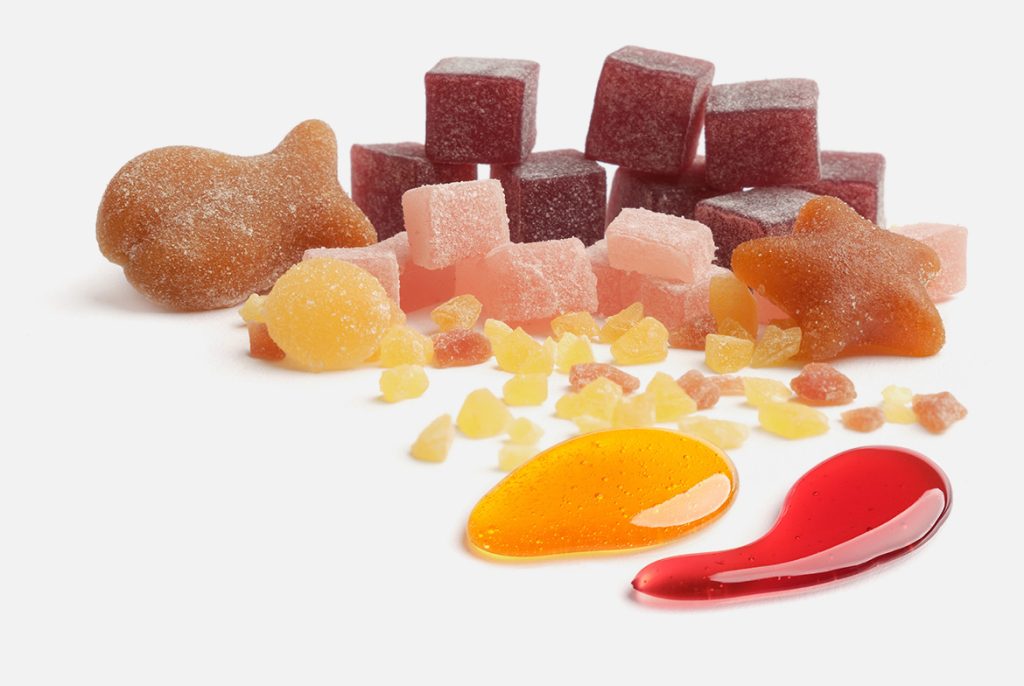
The processing of fruit can be gentle or intensive. The choice depends on the desired texture, flavor profile, and nutritional targets. Depending on the final product, fruit may be processed into:
- juices and concentrates
- purées and pastes
- dried pieces
- freeze dried fruit and powders
- frozen fruit
- fruit preparations like snacks, granulates etc.
How is Quality Preserved at Paradise Fruits Solutions?
At Paradise Fruits Solutions, the focus is on combining fruit processing technology with application knowledge. Processes are selected to:
- protect natural fruit taste
- achieve stable texture in final applications
- ensure microbiological safety
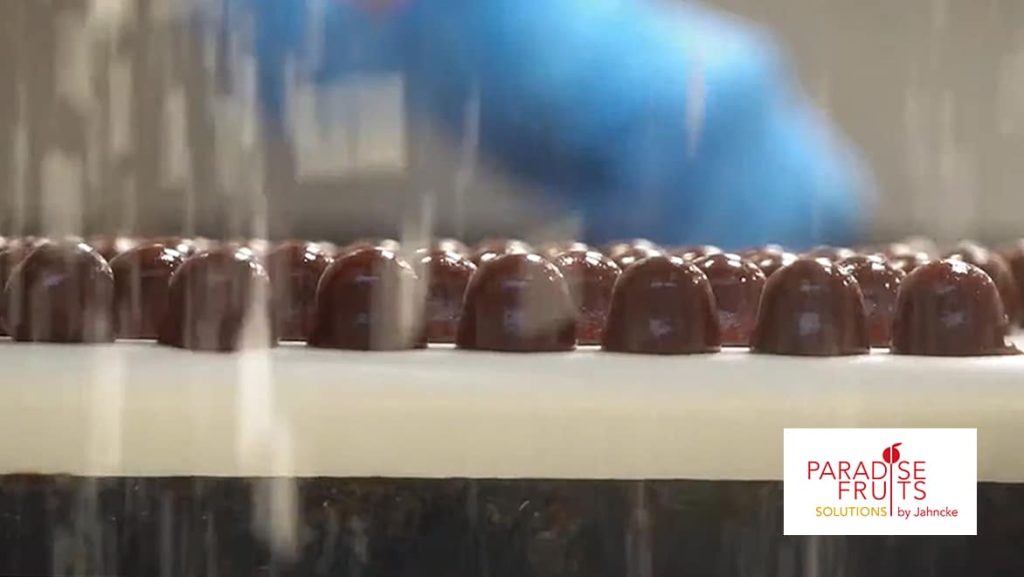
Careful control of temperature, residence time and mechanical stress helps preserve sensitive fruit components. This is especially important for granulates, shapes and pastes that must perform reliably in demanding environments such as baking or extrusion.
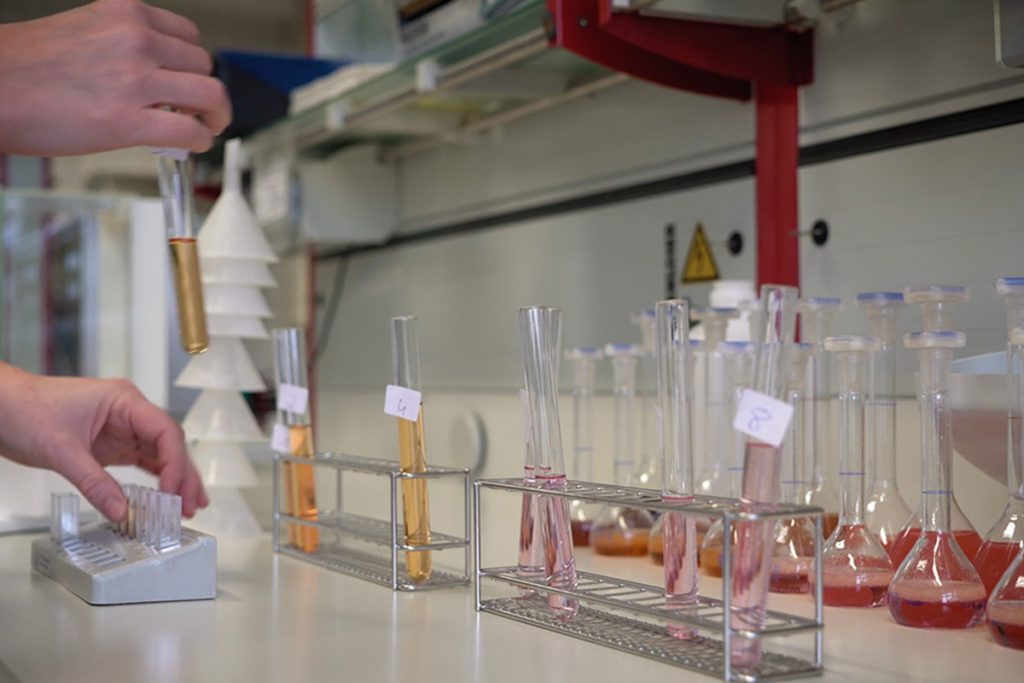
Fruit is one of nature’s most valuable raw materials. It delivers flavor, color, texture and important nutrients. But fresh fruit is also highly perishable. It contains 70-90% water, active endogenous enzymes, simple sugars, organic acids and natural microorganisms. Without the right treatment, quality declines quickly. That is where processing fruit becomes essential.
Modern fruit processing technology is essential for the food industry and allows us to preserve fruit, make it safe, and adapt it to different applications – from bakery and dairy to confectionery or snacks.
Working on a fruit inclusion, paste, or snack application right now? Explore what’s possible with fruit ingredients for your application.
Traditional Methods of Processing Fruit
Many modern processes are based on principles that have been used for centuries. Traditional methods aim to increase shelf life through moisture removal, heat, or beneficial microorganisms.
Dehydration methods: removing moisture for preservation
Microorganisms need water to grow. Lowering water activity is one of the oldest preservation techniques.
Sun and air drying
Fruit slices are exposed to warm air or sunlight. Moisture evaporates slowly. This method is simple but difficult to and texture changes. Microorganisms such as yeasts, molds and bacteria can grow. Processing fruit slows or stops these processes.
Freeze drying
Although considered modern today, the principle is old, even used by ancient Inkas: water is removed by sublimation. The fruit is frozen and then placed under vacuum. Ice turns directly into vapor without becoming liquid. This preserves structure, shape, and many nutrients better than hot drying.
Fermentation: harnessing beneficial microorganisms
In fermentation, selected microorganisms convert sugars into acids or alcohol. This lowers pH and prevents spoilage. While more common in vegetables, fruits are also fermented (e.g., fruit wines or preserved fruit products). Fermentation can improve flavor complexity and stability.
Heat processing techniques
Heat is a powerful tool in the processing of fruit. It reduces microbial load and inactivates enzymes.
Blanching
Short exposure to hot water or steam. It inactivates enzymes that cause browning and texture loss. Blanching is often a pre-treatment before freezing or drying.
Pasteurization
Fruit juices and purées are heated to a defined temperature for a specific time. This kills pathogenic microorganisms and reduces spoilage organisms. The aim is safety with minimal impact on flavor and nutrients.
Canning and retort processing
Fruit is sealed in containers and heated under pressure. This achieves commercial sterility. Shelf life can extend to years. However, heat-sensitive vitamins and fresh flavor notes may decrease.
Modern Fruit Processing Technology
Today’s fruit processing technology focuses on precision, hygiene and quality retention. Processes are designed to protect sensitive compounds such as vitamins, aromas and natural colors.
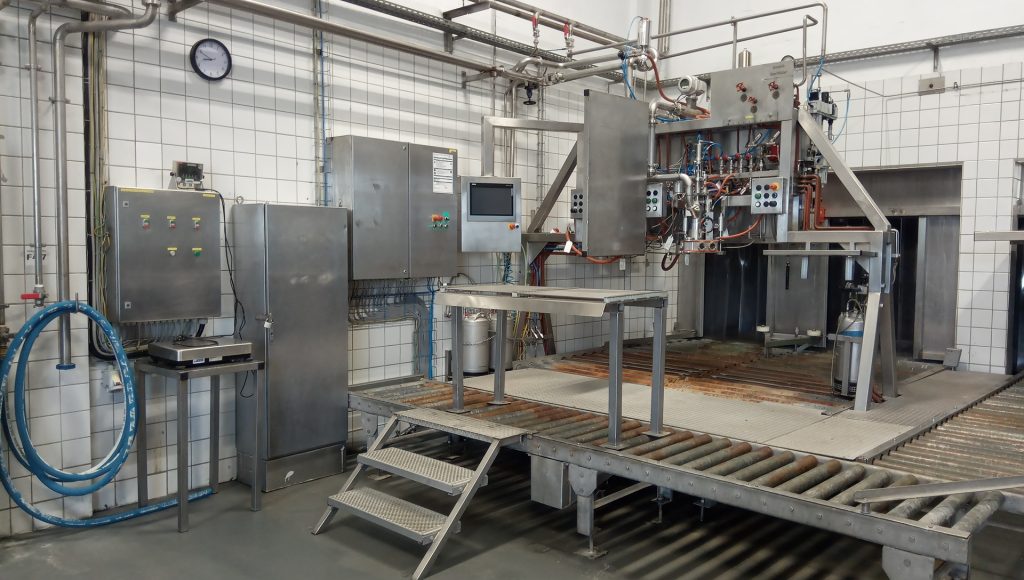
Aseptic filling
Aseptic systems combine high-temperature short-time treatment with sterile packaging. Fruit purée or concentrate is pasteurized or sterilized and then filled into pre-sterilized containers in a sterile environment.
Benefits:
- long shelf life without refrigeration
- good flavor retention compared to long heat treatments
- no preservatives needed
- aseptic filling is widely used for fruit preparations in dairy, beverages, baby food
IQF – Individually Quick Frozen
IQF is a key technology when processing fruit for frozen applications. Fruit pieces are frozen very quickly after harvesting, using cold air or cryogenic systems. Rapid freezing creates small ice crystals. These cause less cell damage.
Benefits:
- better texture after thawing
- reduced drip loss
- preservation of shape and color
- IQF fruit is ideal for smoothies, bakery fillings, and ready meals.
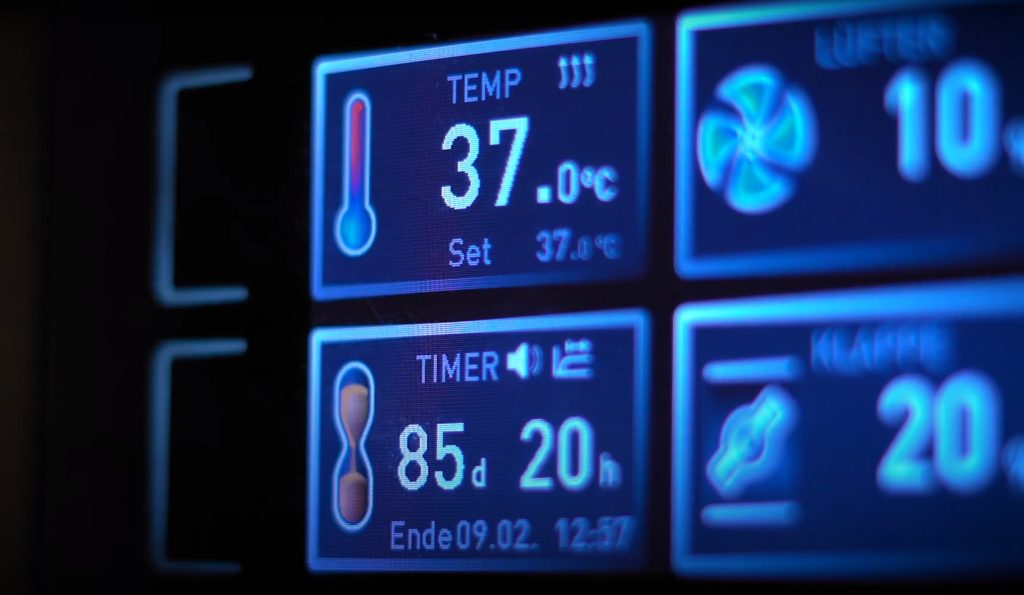
Low Heat Concentration
Fruit juice or purée can be concentrated by removing water under vacuum. Lower pressure reduces temperature. This protects heat-sensitive aromas and nutrients.
Modern evaporators allow:
- short residence times
- aroma recovery systems
- energy-efficient operation
The result is a high-quality concentrate that can be reconstituted or used as a base for fruit preparations.
Freeze-drying (advanced systems)
Modern freeze-drying is highly controlled. Temperature, pressure and time are optimized. The process maintains:
- natural color
- intense flavor
- porous structure for good rehydration
This makes freeze-dried fruit ideal for cereals, snacks and premium confectionery.
Quality Preservation and Food Safety
Technology alone is not enough. Process control and raw material quality are just as important.
Key factors in processing fruit include:
- Raw material selection: Ripeness level influences sugar content, acidity, texture and aroma. Overripe fruit breaks down more easily and has higher microbial load.
- Gentle handling: Mechanical damage increases enzymatic browning and juice loss.
- Enzyme control: Enzymes like polyphenol oxidase cause browning. Heat treatment or oxygen reduction helps prevent this.
- Oxygen management: Oxygen leads to oxidation of vitamins and aromas. Vacuum systems or inert gases are often used
- Hygienic design: Equipment must be easy to clean. Cross-contamination risks must be minimized.
Choosing the Right Technology for Your Business
There is no single best method for the processing of fruit. The right choice depends on your product and market.
Target product:
- Juice or beverage: Pasteurization, concentration, aseptic filling
- Purée or fruit preparation: Thermal treatment, aseptic systems
- Dried fruit or inclusions: Air drying, freeze-drying
- Frozen fruit: IQF
Each format has different requirements for texture, moisture and stability.
Production Volume and Scalability
Small artisanal production may rely on simpler systems. Large-scale industrial production needs continuous lines, automated control and high throughput. Scalability also affects cost efficiency.
Quality requirements and nutritional goals
Premium products often require gentle technologies that better retain:
- vitamin C and other sensitive nutrients
- natural aromas
- fresh color
Lower heat and shorter processing times usually mean higher quality but also higher investment costs.
Application requirements
Fruit used in chocolate, bakery or dairy must withstand:
- heat
- mechanical stress
- moisture migration
Therefore, processing fruit for inclusions often includes additional steps such as moisture adjustment or coating.
Conclusion
Processing fruit is no longer just about preservation: From sun drying to aseptic filling and freeze drying, the processing of fruit has developed into a highly specialized field. Modern fruit processing technology allows us to balance safety, shelf life and sensory quality more precisely than ever before.
Understanding these technologies helps manufacturers choose the right solution for their products. Whether the goal is intense fruit flavor in confectionery, stable inclusions in bakery, or natural ingredients for dairy, snacks or cereals, the right approach to processing fruit makes the difference.
If you want to explore how advanced fruit ingredients can enhance your application, working with experienced partners like Paradise Fruit Solutions who understand both technology and end use is key. The right combination of raw material expertise and processing know-how turns fruit into high-performance ingredients.