Table of contents
What is Taste Modulation?
Taste modulation is the targeted adjustment of sensory perception in a product. The goal is to improve how a food, beverage, or supplement tastes – without relying only on higher levels of sugar, salt, or artificial masking systems.
Taste is never driven by one factor alone. It is shaped by multiple sensory signals working together:
- Basic tastes such as sweet, sour, bitter, salty, and umami
- Aroma compounds that influence flavor perception
- Texture and mouthfeel
- Temperature
- Aftertaste
- Visual expectations
- Product format and eating experience
Because of this, a product can often taste sweeter, fresher, creamier, or more balanced even when the formula changes only slightly.
Example: Sweeter Taste Without More Sugar
A product may taste sweeter at the same sugar level when developers optimize:
- Fruity aroma notes associated with sweetness
- Acid balance to reduce harsh sourness
- Smooth texture for a fuller mouthfeel
- Flavor release timing
- Reduction of bitter or metallic notes
This is why taste modulators are increasingly important in reformulation projects.

Why Do Products Need Taste Modulation?
Many modern product concepts aim to improve nutrition or functionality. But every positive nutritional change can create a sensory challenge.
- Sugar Reduction: Lower sugar can reduce sweetness, body, and flavor intensity. It can also expose off-notes that were previously hidden.
- Fortification: Added vitamins and minerals may create bitterness, metallic notes, dryness, or lingering aftertaste.
- Protein Enrichment: Protein systems can bring chalkiness, astringency, graininess, or beany notes depending on the source.
- Fiber Enrichment: Fiber can change viscosity, create dryness, or mute flavor release.
- Botanicals and Actives: Plant extracts, caffeine, adaptogens, and herbal ingredients may taste bitter, earthy, or medicinal.
- Clean Label Expectations: Consumers increasingly prefer recognizable ingredients and shorter ingredient lists. That means brands often need natural solutions rather than heavy artificial masking.
This combination of health goals and sensory expectations explains why flavor modulation has become a strategic tool across categories.
How Does Fruit Modulate Taste?
Fruit ingredients are more than flavor carriers. They can influence multiple sensory dimensions at once. That makes them especially useful as flavor modulation in better-for-you products.
1. Fruit Aromatics Can Support Sweetness Perception
Certain fruit aromas are naturally associated with sweetness. When consumers smell ripe strawberry, mango, banana, peach, or apple notes, they often expect sweetness before tasting the product.
This cross-sensory effect matters because aroma and taste are processed together during eating. Well-selected fruit profiles can help a product feel sweeter and fuller – even when sugar is reduced.
2. Fruit Acidity Can Improve Balance
Sweetness alone does not create a pleasant taste. Balance matters. Controlled acidity can brighten flavor, reduce flatness, and design a cleaner finish.
Fruit ingredients naturally contribute tangy, juicy, and refreshing notes depending on the variety used. Citrus, berry, passion fruit, sour cherry, or tropical profiles can all change how sweetness is perceived. A product with the same sugar content may taste more vibrant and satisfying when acidity is balanced correctly.
3. Fruit Texture Can Add Roundness and Body
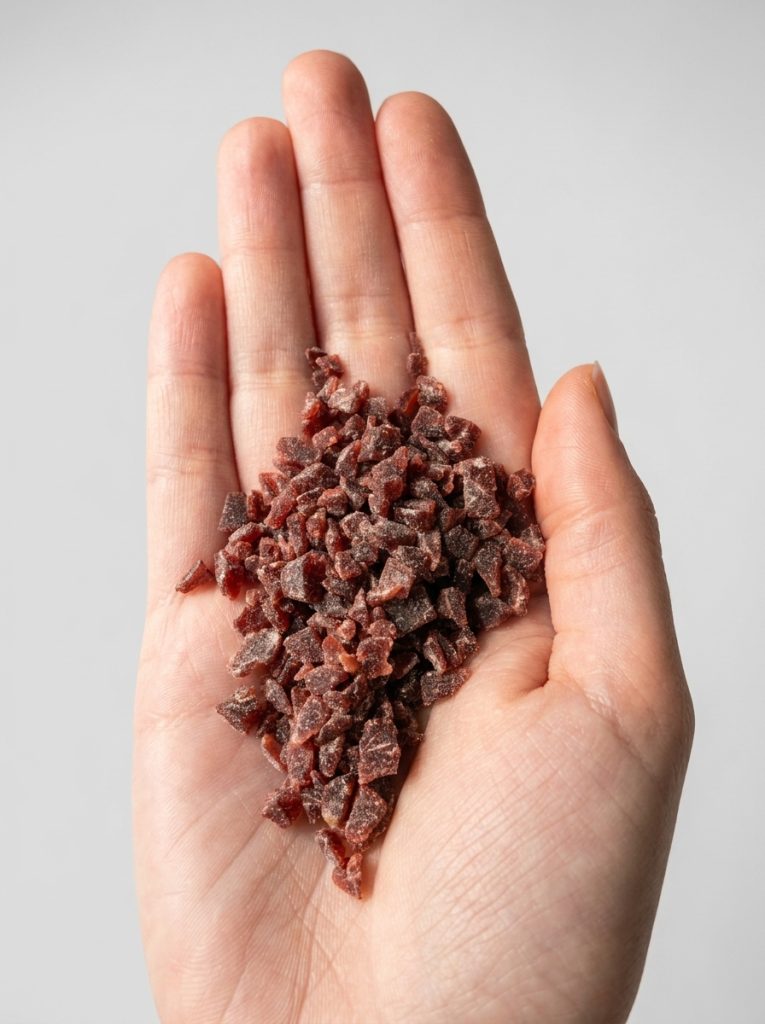
Texture strongly influences flavor perception. Smooth, rich textures are often perceived as more indulgent and satisfying. At Paradise Fruits Solutions, for example, these include granulates, shapes, drops, and pastes.
Fruit ingredients can help create:
- Rounder mouthfeel
- More body
- Better chew experience
- Improved moisture perception
- More natural eating experience
This is particularly relevant in bars, bakery fillings, gummies, snacks, and layered products. When texture improves, consumers often describe the product as tasting better overall.
4. Fruit Can Help Reduce Bitterness Perception
Many functional ingredients introduce bitterness or harsh aftertaste. While fruit does not remove bitterness chemically in every case, it can help rebalance the sensory profile.
Sweet and tangy fruit notes can redirect attention, shorten harsh perception, and create a more pleasant finish. This is one reason fruit is widely used in supplements and functional confectionery.
Common pairings include:
- Berry with botanicals
- Citrus with minerals
- Apple with fiber systems
- Tropical fruit with caffeine or energy blends
- Red fruits with herbal notes
5. Fruit Adds Emotional and Familiar Appeal
Taste is not only physical – it is emotional. Familiar fruit flavors are easy to understand and widely accepted by consumers.
Mango, lemon, orange, peach, or mixed berry often signal freshness, enjoyment, and naturalness. That emotional trust can support trial and repeat purchase. For many consumers, fruit feels more approachable than technical flavor systems.
Applications: Where Does Taste Modulation Matter Most?
Taste modulation with fruit ingredients can support innovation across many categories:
Snacks and Bars
- Improve chewiness
- Add moisture
- Reduce dryness from protein or fiber
- Deliver flavor bursts
Bakery
- Fillings with fruity sweetness
- Juicier eating experience
- Better contrast in texture
Dairy and Alternatives
- Support sweetness in reduced-sugar concepts
- Add freshness and indulgence
Supplements
- Improve palatability of actives
- Better chew in gummies
- More enjoyable daily routine
Cereals and Extruded Snacks
- Fruity inclusions
- Texture contrast
- Visual appeal
Beverages
- Support sweetness perception
- Add freshness and balanced acidity
Taste Modulation: What Can Go Wrong?
Even strong ingredients need the right application. Taste modulation is not automatic. Several issues can limit success.
Wrong Fruit Profile for the Base Product
Not every fruit fits every matrix. A tropical note may overpower dairy. A sharp berry may clash with cereal. A subtle apple may disappear in protein systems. The fruit profile must match the product base and brand positioning.
Incorrect Intensity: Too little impact does nothing. Too much fruit character can taste artificial, dominant, or unbalanced.

Optimization is essential
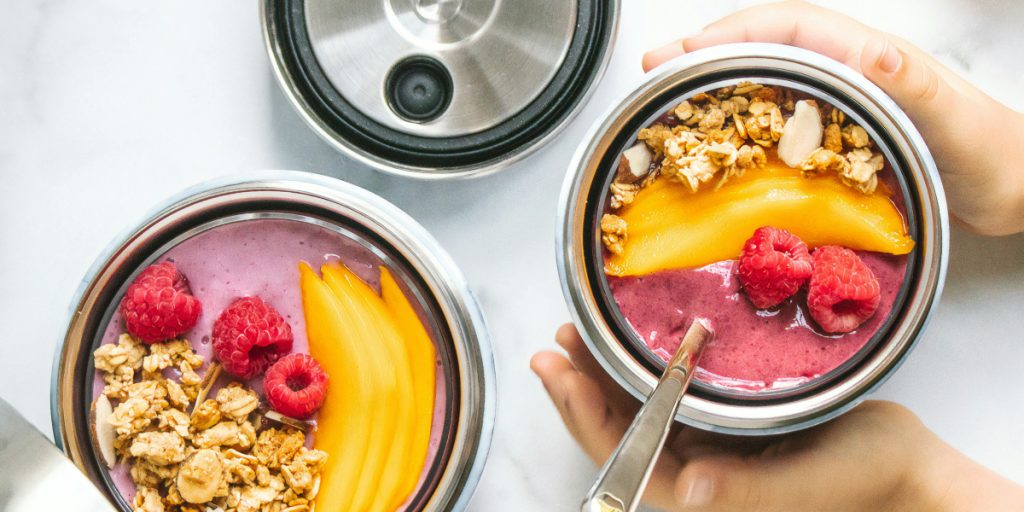
Texture Mismatch: A paste, granulate, drop, or gummy piece must suit the product texture. Otherwise, it may feel sticky, hard, dry, or disruptive.
Process Conditions: Heat, moisture, water activity, pH, and shelf life can all affect fruit performance. The ingredient must be designed for the manufacturing process.
Functional Ingredients Still Need System Thinking
Bitterness from minerals or botanicals may require more than one solution. Fruit can help significantly, but full formulation balance is still important.
In short: successful flavor modulation depends on the right ingredient in the right format for the right application.

What We Offer Our Customers: Paradise Fruits Solutions
At Paradise Fruits, we believe fruit can do more than add flavor. Flavor modulation can improve the complete sensory experience.
Fruit Granulates
Our fruit granulates bring concentrated fruit experience in a stable inclusion format. They are especially useful when brands want exciting sensory moments inside a product.
Typical benefits include:
- Flavor bursts
- Texture contrast
- Visual appeal
- Fruit identity in dry systems
- Controlled flavor release
Typical applications:
- Cereals
- Chocolate
- Snack mixes
- Bakery
- Ice cream
Shapes
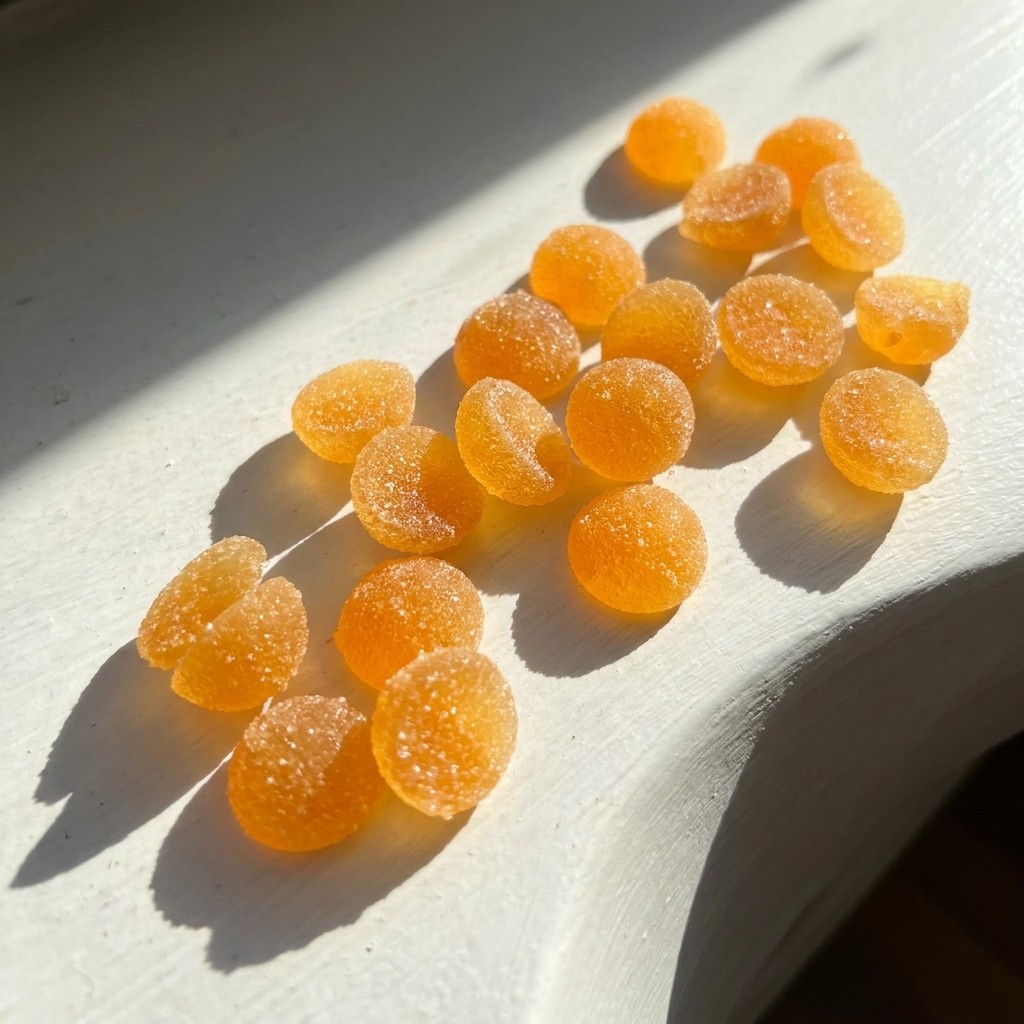
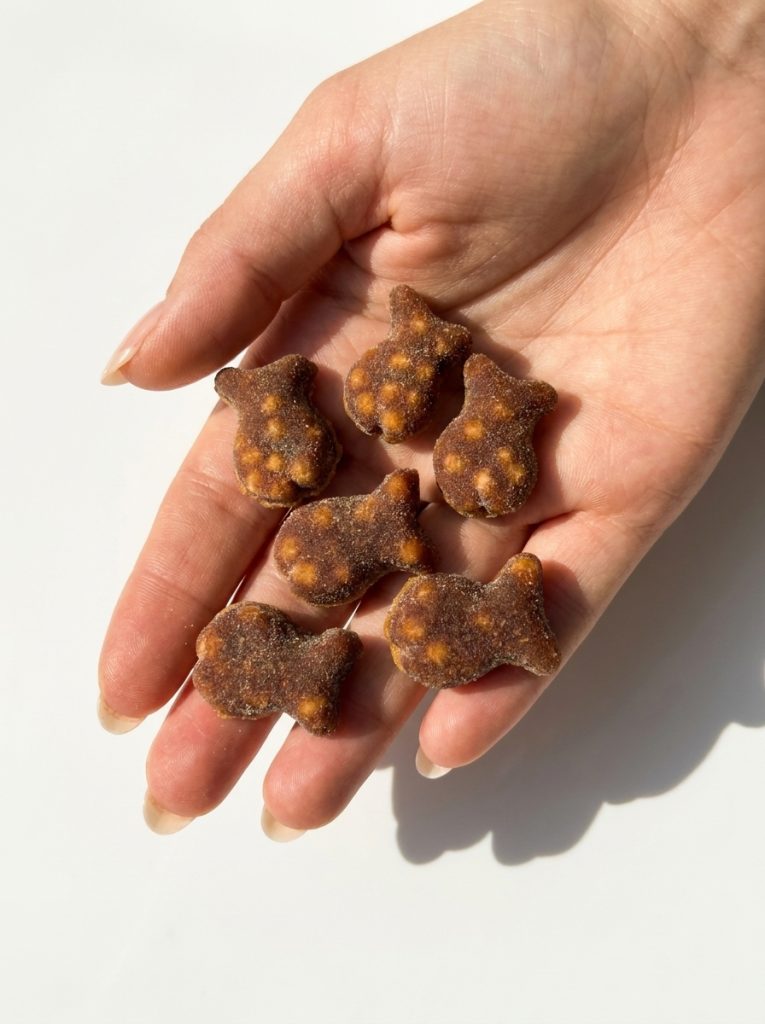
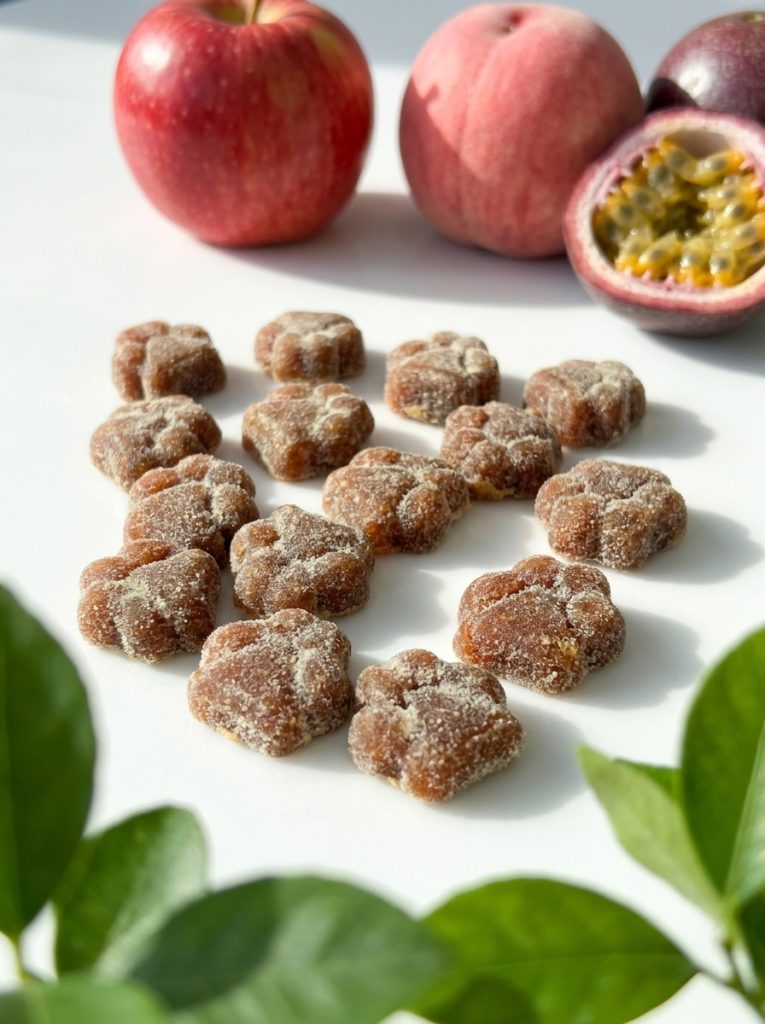
Our fruit gummies in custom shapes combine playful design with real sensory value. Shape influences consumer perception, handling, and eating enjoyment. Distinctive formats can make products feel more premium, fun, or targeted to a specific audience. For brands looking to stand out on shelf, shaped fruit gummies unite taste, texture, and visual identity in one format.
Typical benefits include:
- Appealing visual differentiation
- Pleasant chewy texture
- Strong fruity taste experience
- Portion-friendly format
- High consumer engagement
- Flexible branding opportunities through custom designs
Fruit Pastes
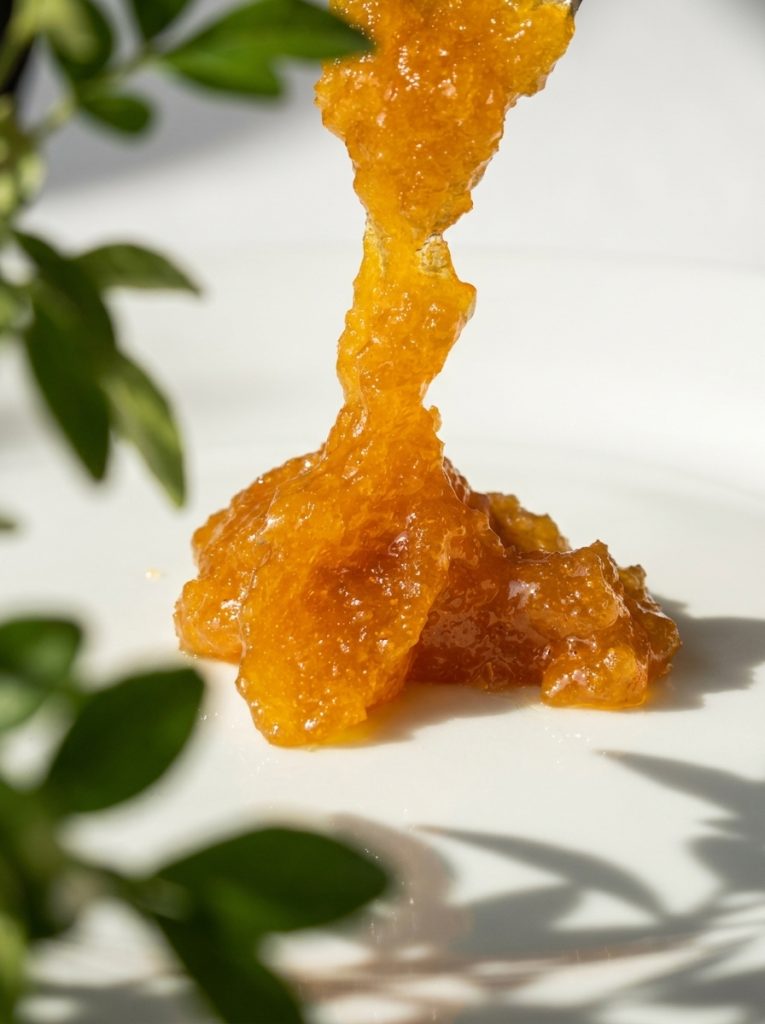
Our fruit pastes are designed for applications where moisture, roundness, sweetness perception, and authentic fruit character matter. For developers working on better-for-you products, fruit pastes can help create indulgence without relying only on conventional sweetening strategies.
Typical benefits include:
- Fuller mouthfeel
- Natural fruit sweetness
- Better juiciness
- Soft texture
- Strong fruit identity
Typical applications:
- Bars
- Bakery fillings
- Snacks
- Dairy products
What We Offer Our Customers: Paradise Fruits Health
Functional products must work – but they must also be enjoyable to consume consistently. That is where Paradise Fruits Health combines fruit expertise with active delivery concepts.
Active-Enriched Fruit Gummies
Our supplemented fruit gummies unite a pleasant fruity matrix with functional ingredients in a convenient format. When compliance depends on daily use, taste matters. A pleasant gummy experience can make a meaningful difference.
Typical benefits include:
- Enjoyable chew texture
- Fruity taste consumers understand
- Better balance for bitter or herbal notes
- Convenient daily use
- Strong consumer appeal in wellness categories
Typical applications:
- Vitamins
- Minerals
- Botanical concepts
- Energy products
- Beauty supplements
- Lifestyle wellness formats
Conclusion: Fruit as a Multi-Sensory Taste Modulator
The future of better-for-you innovation depends on products that deliver both function and enjoyment. Consumers should not have to choose between health goals and great taste.
That is why taste modulation matters. It helps developers improve sweetness perception, reduce harsh notes, optimize texture, and create a more satisfying eating experience. And because taste is multisensory, fruit ingredients are uniquely powerful tools.
Fruit can support aroma, sweetness perception, acidity balance, mouthfeel, texture contrast, and emotional appeal – all at the same time. Used well, fruit is more than an ingredient. It is a smart and consumer-friendly solution for modern product development. At Paradise Fruits Solutions and Paradise Fruits Health, we help brands turn that potential into products consumers truly enjoy.